
If you’ve been reading the news, you may have seen a recent story about Mishka, the Terrier mix from San Diego, California, found over 2000 miles away and several months later in Grosse Pointe, Michigan. Thanks to the foresight of her owners, Mishka was microchipped, allowing her to reconnect with her family.
Microchipping is one of the many ways you can keep your dog or cat safe, whether you live in a dense city, a sprawling suburb, or out in the countryside. Here’s how microchipping, as well as other handy ID and training methods, can keep your pet safe if they escape.
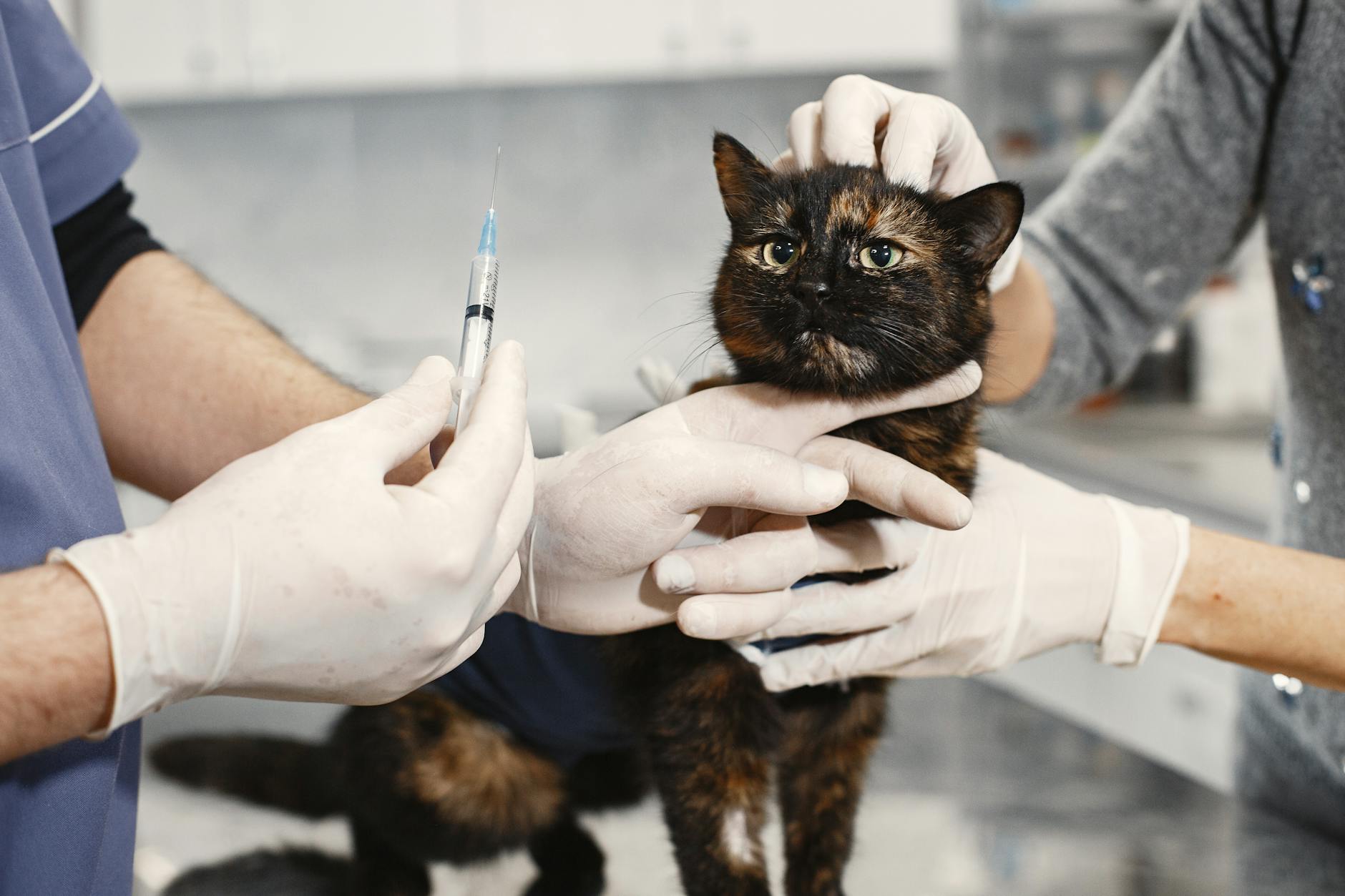
What Is a Microchip?
Microchipping your pet has become commonplace in the past 20 years. It involves placing a small microchip, or ID tag, the size of a grain of rice between the shoulder blades of your dog or cat. This is done with a syringe and needle, slightly larger than what is used to draw blood or give a vaccine. Since it is a bit larger, microchipping is usually done at the same time your pet is under anesthesia for other procedures, such as a spay or neuter, to reduce any pain from the injection.
Once inserted, the microchip gives off a small RFID, or radio frequency transmission, that shares the chip’s unique number. The number is then read by a microchip reader and matched to a database that links that number to your personal information. This allows owners to easily log onto a website and update information such as contact info, location, and phone numbers without having to replace the chip. Most microchips also last up to 25 years, meaning your pet is protected for life.
While different brands of microchips offer different packages for insurance, care, pet theft or escape assistance, and more, all can be read by universal readers. From there, the assistant or vet reading the microchip can check against one of the many pet databases online.
Microchipping and Other ID Forms
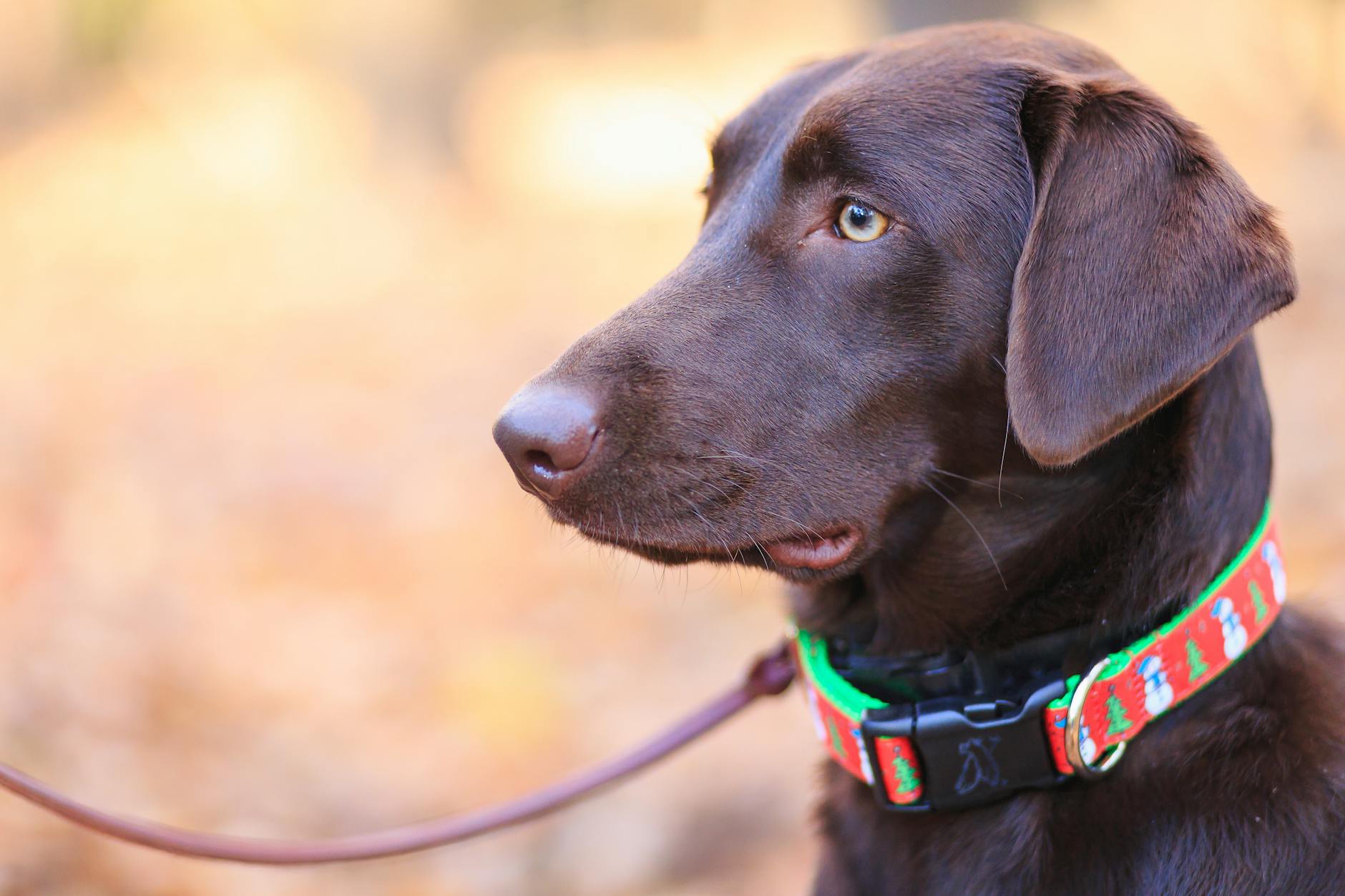
It’s a good idea to have several forms of identification for your pet in the event they get lost or escape. Pet ID tags on the collar should be kept up to date with their name, your phone number, and any important info such as medications or health issues. In addition, most cities require rabies vaccination and city license tags to be on the collar. However, collars can easily snag on branches or fall off, which is why microchips have an advantage. Even if your pet becomes very dirty, injured, or loses their collar, their microchip can still be scanned.
Keeping Your Dog or Cat Safe
ID tags and microchips are great if your pet is lost or escapes, but it’s also a good idea to implement training to keep them from getting out in the first place. Boundary training and other training methods are a great way to teach your pets where “home” is, and to prevent them from going past fences, lawns, or other areas of the home. Collars that beep (but not shock) when your dog or cat approaches a set boundary can also help them learn where they can or can’t go. In addition, some invisible fence collars also contain GPS tracking tags in the event your pet does get out.
Microchipping is an excellent safety tool to have in case your pet escapes or is lost, and can make the difference in reuniting you with your furry best friend. Mishka’s family certainly appreciated it! Do you microchip your pets? Why or why not? Share in the comments below!







 The Detroit Barker
Leave a comment