
It’s summer, and that means kitten season is upon us! Whether you’re dealing with a litter of foster babies, or just brought one home from the shelter, it’s important to have the items you need to get your kitten started on the right paw. Ensuring you have everything you need first can help your kitten ease into life with your household. It can also prevent stressful accidents or bad behaviors before they happen. Here are some of our top picks.
The right-sized litter box
Having the right litter and box is important to ensuring your kitten knows where to go potty. If you’re able to, talk with the shelter or breeder you got your kitten from first. See what litter type they were using to train with. By buying a similar type, you can make sure your kitten isn’t afraid to use the box. If you do have to swap up your kitten’s litter, do so gradually – replacing about 10-25% of the litter every few days until your kitten is used to it. Swapping from clay litters to paper or grain-based ones can also take slightly longer.
The right-sized box is also important. A tiny kitten may be too little to climb into a box with tall sides. And, a box that’s the right size for a kitten may be too small once your cat grows. This could to accidents outside of the box. Try to find one that has a low enough edge your kitten can climb over, but that will be large enough to allow them to use it as they grow. Or, consider disposable boxes that can be swapped with larger ones as your kitten ages.
The right food
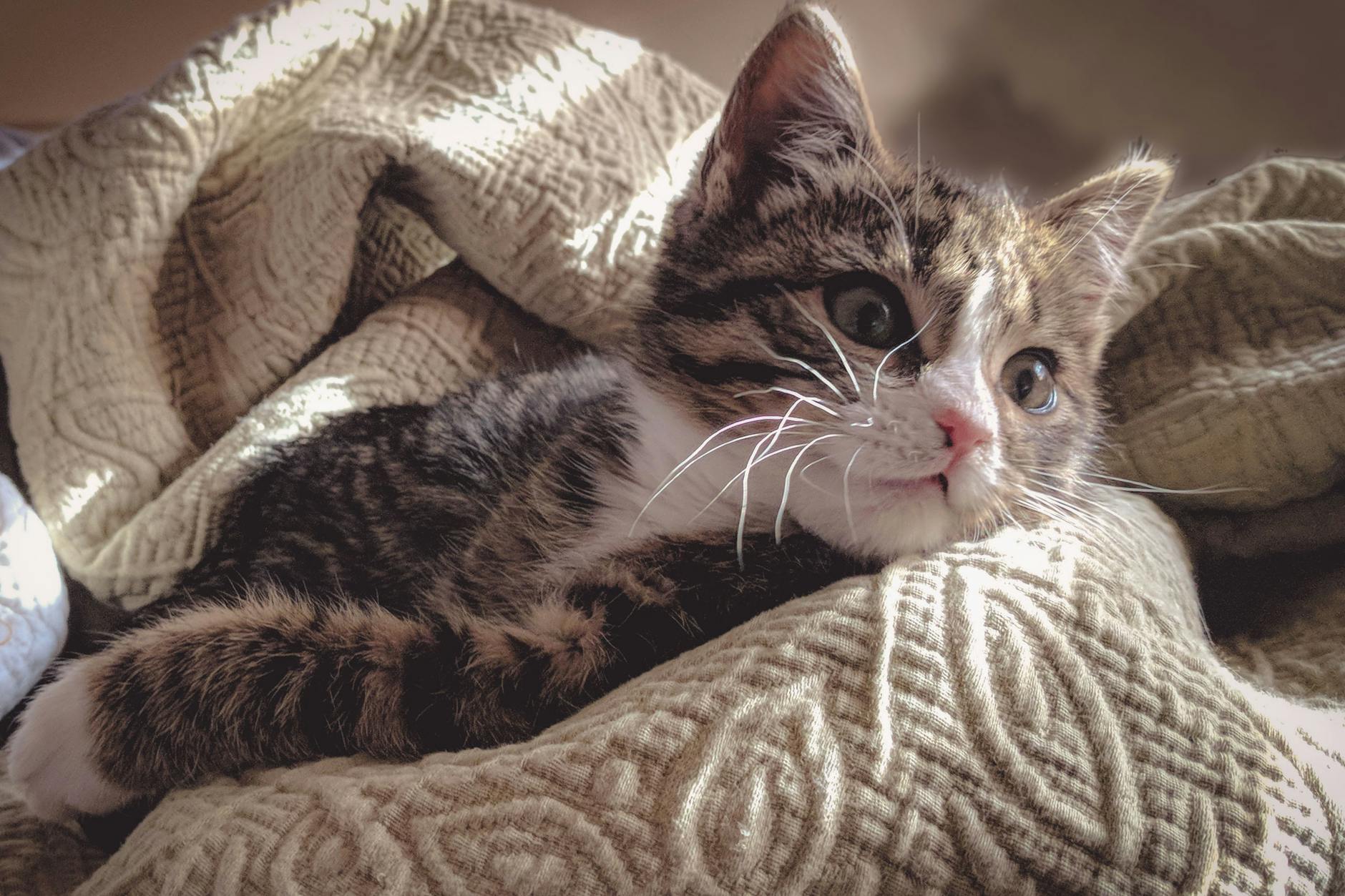
Kitten bodies grow quickly, and the right food can help make sure their bodies have enough energy to keep going. Look for a food that is formulated specifically for kittens. These often have added nutrients and a higher protein content than regular food. If you offer kibble, make sure your kitten has access to plenty of water. Wet foods can also keep your kitty hydrated more easily.
If your kitten has any special dietary needs due to a food allergy, try to find a product that is hypoallergenic or that avoids the most common allergens in cats including fish, eggs, and chicken. Your vet can also test for any food sensitivities or issues that may be causing dietary problems.
Kittens should be on a kitten diet until they’re at least a year of age. From there, you can transition to an adult food, or an indoor cat formulation if your cat is less active.
The right toys
The best part of having a new kitten is watching them sprint about the house after a fun ball or feather toy. You’ll want to have lots of different toys around to help stimulate your kitten’s growing brain and also to wear them out. By keeping your kitten active with appropriate toys you can also avoid destructive behaviors such as scratching furniture or running around the house in the late hours of the night.
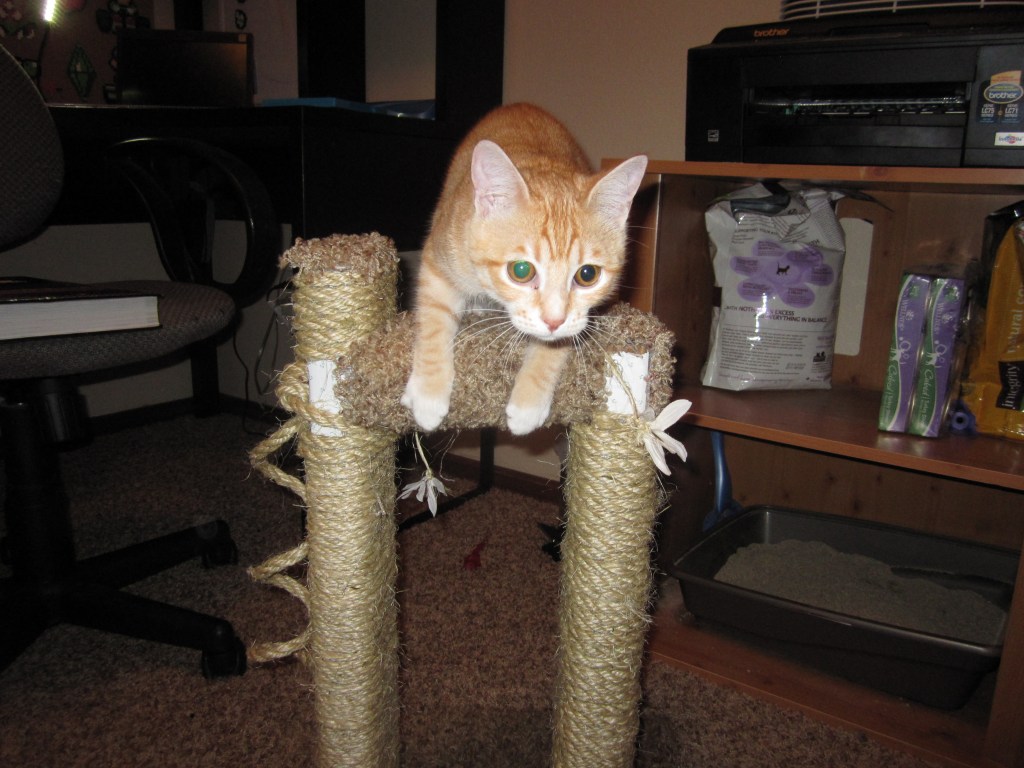
Pick a variety of toys, including feather toys that can be chased around the room, independent toys such as balls, and interactive toys such as puzzle-treat toys. Looking for items that allow your kitten to perch up high and look out a window, or get out their natural scratching instinct, such as tall cat towers and cardboard scratchers, can help them act out these natural behaviors safely.
Cats and kittens also benefit from clicker training, and it’s a great way to incorporate extra treats, toys, and mental stimulation into your kitten’s routine.
The right calming aids
If you’ll be introducing your kitten to other pets or a busy household, calming aids are a must. These come in a variety of forms including room-wide plug-ins, sprays, and collars. Calming aids often release a combination of soothing pheromones and scents that can help reduce inter-cat aggression when introducing a new kitten, and help your kitten relax in a stressful situation. However, make sure that any calming aids used are safe to use for young cats and kittens.
The right ID tags
Even completely indoor cats can escape outdoors and become lost. Your new kitten should be microchipped and have a breakaway collar with the ID info printed on it. In the event your cat escapes, these IDs can be used to make sure your kitten is returned home safely. Microchip information can also be easily updated online if you move to a new location.
Do you have a favorite product or must-have item that your kitten (or adult cat) loves? Share it in the comments below!
This article contains affiliate links.






 The Detroit Barker
Leave a comment