
Even if your dog loves to go to new places, travel itself can be stressful. Whether by car, boat, or plane, traveling with your dog doesn’t have to be a difficult task. Here are four great tips that will help traveling with your dog go a lot more smoothly, preventing headaches and frustration during your trip.

Tip 1: Prep Your Dog’s “Suitcase”
Being prepared with the supplies both you and your dog need are key to a safe and happy time traveling. Just like you pack your own suitcase, a “suitcase” for your dog is important. If you can’t bring extra luggage, at the very least you can include a section of yours! Here are some must-haves to have on hand before you leave:
- Copies of your dog’s vaccine records.
- Your dog’s ID tags.
- Any medication your dog needs; enough for the entire trip.
- Anxiety medications if your dog struggles with travel.
- Baggies of food; enough for the entire trip.
- Your dog’s favorite toy.
- Your dog’s favorite treats.
Separate items between your checked and carry-on baggage. This can help if you are flying and some of your luggage becomes lost — just make sure your items are safe to bring as carry-on.
Tip 2: Have the Right Health Documents
Most airlines or overseas travel will require that your dog is up to date on their vaccines. They also require you to have a certificate of health from your veterinarian — usually from within the past 30 days of the trip. Many airlines will also have specific travel requirements when flying with a dog. Things include items such as if your dog can travel in the cabin with you, or needs to be in a crate separate from the cabin. Often, the health certificate should state any requirements with these travel conditions.
Depending on where you are traveling, you may also want to see if that country or location requires special quarantines. Some places may also require spay or neuter status or specific vaccinations prior to entry. Many island countries may require a few weeks to a few months of quarantine. In this case, you may want to keep your dog with a pet sitter back at home.
You also want to have extra copies of your dog’s ID, vaccination records, local emergency contact and veterinarian numbers in the area you will be traveling to, and microchip info in the event your dog is hurt or lost. If possible, attach a second set of ID tags to your dog’s carrier, to help reunite pet and carrier if they become separated.
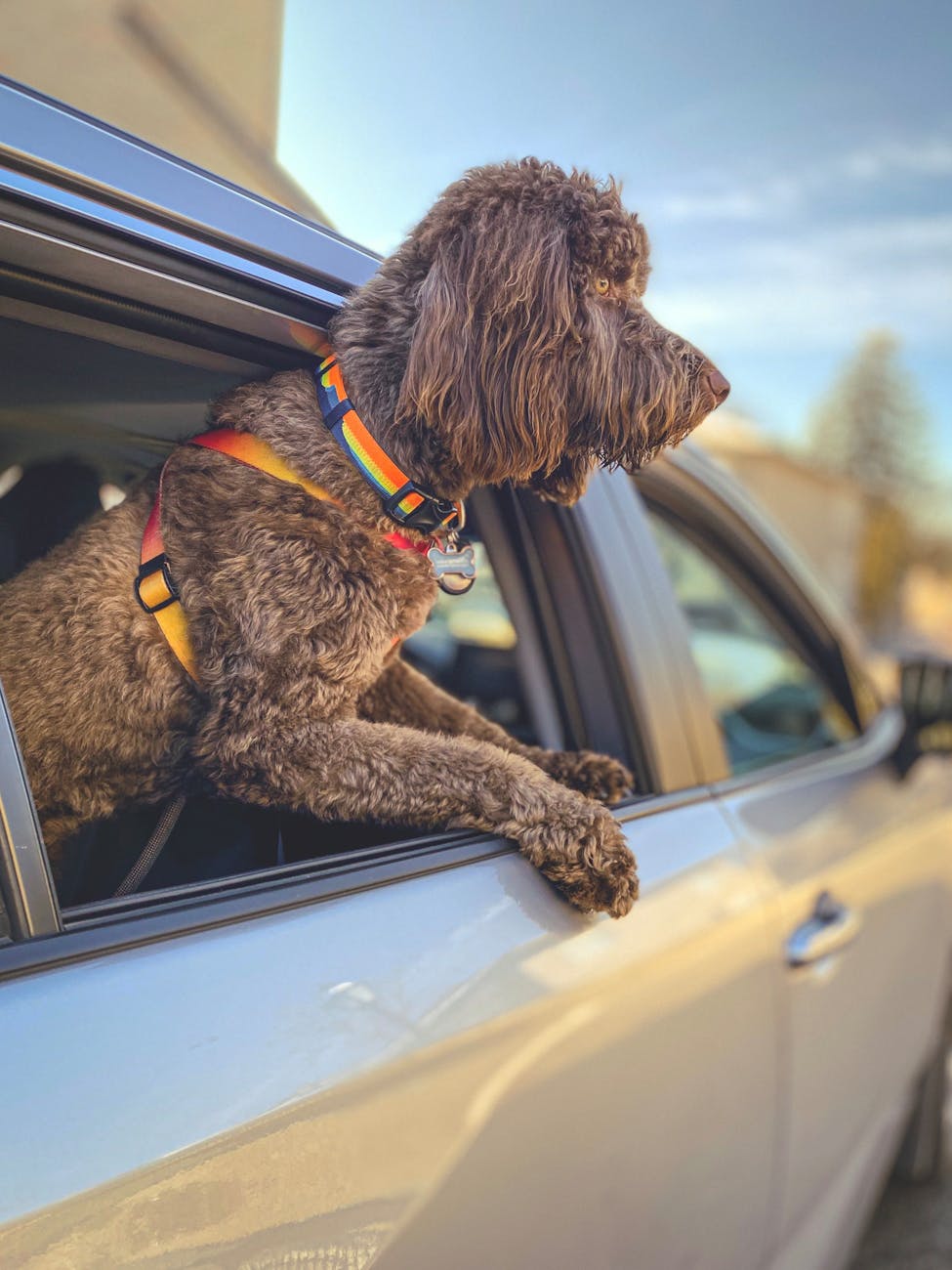
Tip 3: Check that Your Accommodations are Pet-Friendly
As more hotels become pet-friendly, finding the right accommodations is an easier task. However, it is still a good idea to double-check that your dog is allowed to travel with you to your new location. Many hotels have breed and weight limit restrictions. Other hotels require your dog stay in an animal carrier or crate when you are away. Some may charge an additional fee to house your pet in the case of accidents or property destruction.
Luckily, many hotels and travel accommodations are now encouraging pets to visit with incentives such as complimentary pet beds, treats, and more. Some higher-end locations even offer on-site rest areas, doggie happy hours, and in-room dog sitting.
Be sure to scope out any nearby parks or areas you can walk your dog surrounding the hotel. If your dog is used to going potty on grass, but there is only dirt or gravel surrounding your hotel, you may run into some trouble on potty runs. Knowing routes you can take and having places your dog can go will prevent accidents in the hotel room.
Tip 4: Start Small
If your dog isn’t used to traveling, a long two-week trip across the country may be incredibly stressful. Start small with travel. A short two-hour drive in the car or a weekend away at a nearby cabin is best. If your dog gets car sick, prescription nausea medications can make the trip more fun. Be sure to praise your dog when they’re calm in the car, and offer a favorite treat or chew toy to distract them if they become nervous.
If your dog is very anxious when on the road, but you can’t leave them at home, it’s best to talk to your veterinarian. They can provide anxiety medications that you can give in advance to help calm and sedate your dog on the trip. Working with a veterinary behaviorist or trainer can also help. They can work on desensitizing your dog to the stress of travel, making car rides and plane trips go more smoothly.
Travel can be stressful, but with the right steps, traveling with your dog doesn’t have to be. Prepping supplies, having the proper documentation, and making sure your stay is pet-friendly can help take the headache out of travel preparation and make sure you and your dog are happy and enjoy your trip.
Do you have a favorite dog-friendly hotel, dog-friendly city you enjoy, or other place you take your dog on vacation? Share in the comments below!





 The Detroit Barker
Leave a comment